
Can Dry Eyes Cause Blindness? Medical Insights and Explanations
-
Eye Health
Find out how dry eye affects vision, when it becomes serious, and what treatments prevent long-term damage and protect your overall eye health.
Dry eye is one of the most common eye conditions, affecting millions of people every year. Because it can affect clarity, comfort, and overall eye health, many patients wonder: Can dry eyes cause blindness?
While most cases of dry eye do not lead to vision loss, severe or left untreated dry eye can cause complications that put the cornea at risk. Understanding how dry eye develops and how early, proper treatment protects long-term vision is essential for anyone experiencing chronic dryness.
What is dry eye syndrome?
Dry eye syndrome occurs when the eyes do not produce enough tears or when the tear film evaporates too quickly. A healthy tear film contains water, oils, and mucus that coat the ocular surface, protect the eye, and keep vision clear. When the eye struggles with tear production or the tear film becomes unstable, dryness and irritation develop.
This condition may be temporary or it may become chronic dry eye disease, where symptoms persist long-term. Chronic dry eye is often related to age, hormonal changes, or conditions that affect the eyelid margins or tear ducts. In these cases, ongoing care is needed to maintain eye comfort and prevent complications.
How dry eye affects vision
Healthy tears play a critical role in maintaining clear vision, and many patients understandably wonder, “Can dry eyes cause blindness?” When the tear film quality is poor, light cannot refract smoothly on the eye’s surface, causing blurred vision or fluctuating clarity. Some people notice that their vision becomes cloudy after long periods of concentration and improves briefly after blinking.
Dry eye can also cause sensitivity to light, difficulty with night driving, and trouble focusing. Chronic dryness may interfere with reading, computer work, or other visually demanding tasks. While these changes are usually temporary, persistent instability of the tear film can impair vision if left unmanaged.
Symptoms of dry eye
Dry eyes affect people in different ways, but several symptoms are common. Many individuals experience:
Blurry vision or fluctuating clarity, especially during activities that require prolonged focus, such as reading or looking at screens.
A gritty or sandy sensation that feels like something is stuck in the eye.
Light sensitivity.
Mucus around the eye.
Red or irritated eyes.
A stinging or burning sensation.
Difficulty wearing contact lenses.
Excessive tears in the eye.
Over time, these symptoms can lead to eye strain and interfere with everyday tasks. Persistent or worsening symptoms are often a sign that the tear film is disrupted and needs evaluation.
Factors that cause dry eye
Dry eyes have many possible causes. Understanding these factors can help patients reduce symptoms and protect long-term comfort.
Environmental factors
Dry air, wind, air conditioning, and smoke exposure can all cause tears to evaporate too quickly. Long hours of screen time can also worsen dryness because blinking decreases when focusing on digital devices.
Medical conditions
Certain diseases and conditions such as rheumatoid arthritis, Sjögren’s syndrome, thyroid disorders, and other autoimmune diseases frequently affect the body’s ability to produce tears.
Hormonal changes, especially during menopause, may also reduce tear quantity and alter tear composition.
Medications
Some medications, including blood pressure medications, antihistamines, antidepressants, sleeping pills, and heartburn medication can decrease natural tear production or worsen dry eye symptoms.
Lifestyle factors
Smoking, dehydration, and wearing contact lenses for extended periods can irritate the ocular surface and contribute to dryness. Poor diet or inadequate intake of essential fatty acids may also influence tear quality.
Can dry eyes cause blindness?
The short answer is: Mild to moderate dry eye will not cause blindness. Most forms of dry eye are uncomfortable but not dangerous.
However, severe dry eye syndrome or untreated dry eye can, in rare cases, lead to damage that threatens vision. When the eye lacks sufficient lubrication, the cornea becomes vulnerable. Constant friction or irritation can cause microscopic injuries to the eye’s surface, increasing the risk of infection.
While blindness from dry eye is rare, the risk increases when symptoms are severe and remain untreated. Early diagnosis and treatment are essential to prevent long-term harm.
Serious complications of untreated dry eye
If dry eye is ignored for an extended period, the ocular surface can suffer significant damage. Persistent dryness disrupts the protective tear layer, leaving the cornea exposed to irritation, inflammation, and infection.
The most concerning complication is a corneal ulcer, which is an open sore on the cornea. Ulcers can develop quickly and cause pain, redness, and decreased vision. Without immediate treatment, they may lead to scarring or vision impairment. Chronic inflammation can also damage nearby blood vessels, increasing the risk of long-term complications.
Although these outcomes are uncommon, they highlight the importance of treating dry eye symptoms early: especially for those with autoimmune disease or chronic dryness.
Treating and managing dry eye
Effective dry eye management requires a combination of home care, lifestyle habits, and medical treatments. Early treatment improves comfort and helps prevent complications.
Lifestyle adjustments
Simple changes can significantly improve symptoms. These might include staying hydrated, reducing screen time, and taking regular blinking breaks to help maintain lubrication.
Wearing sunglasses outdoors protects against wind and sun exposure, while avoiding smoke and dry environments reduces irritation.
Home treatments
Warm compresses help loosen oil glands along the eyelids, improving tear stability. Lid hygiene routines and humidifier use can also provide relief.
Over-the-counter options
Many patients find relief with artificial tears, gels, or ointments. These products help supplement natural tears and keep the eyes lubricated. For long-term improvement, choosing preservative-free formulations may be beneficial.
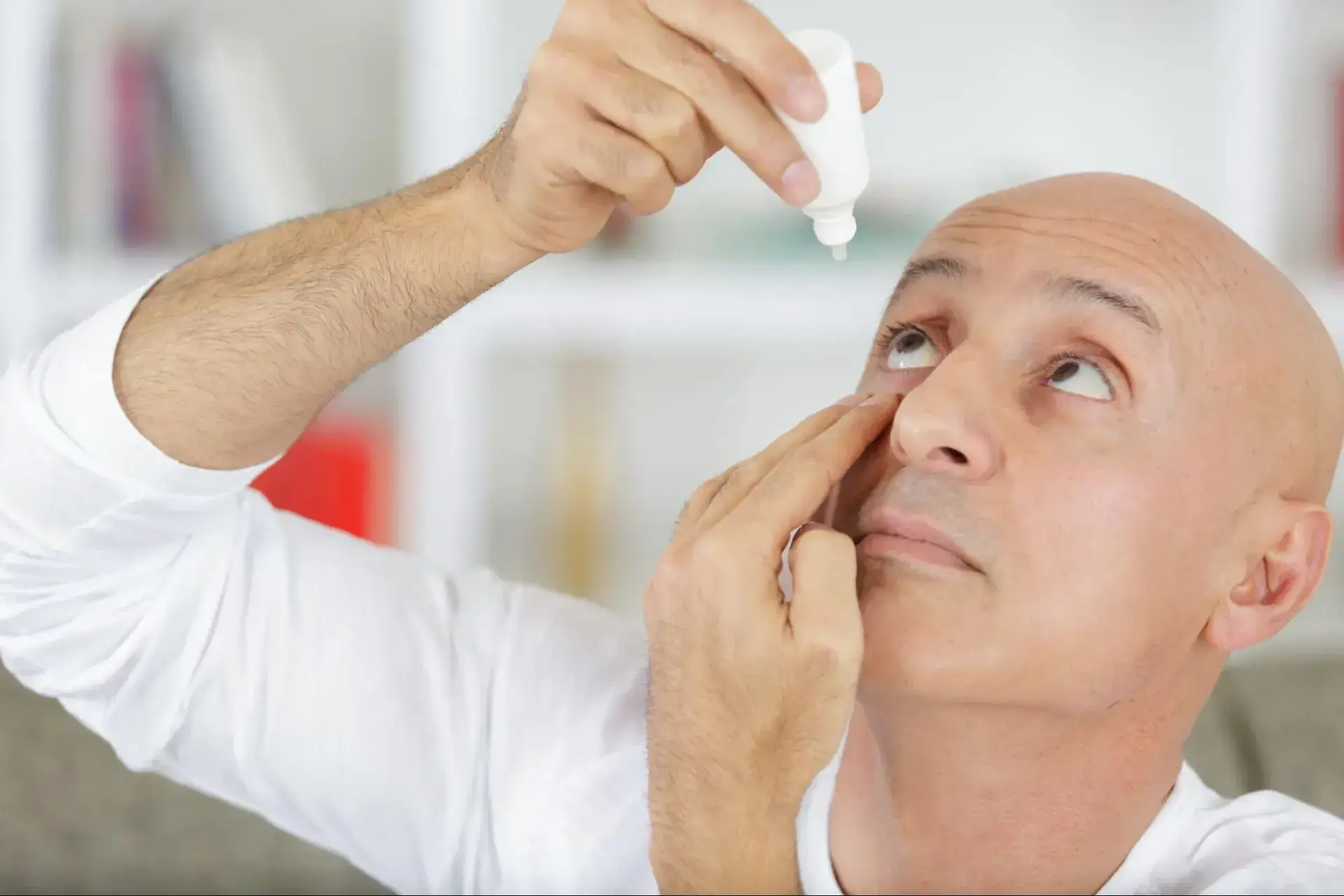
Prescription or medicated eye drops
If symptoms persist, an eye doctor may recommend prescription eye drops or anti-inflammatory medications to improve tear production or reduce inflammation. These treatments target underlying causes rather than just providing temporary relief.
In-office treatments
For more advanced cases, in-office procedures such as punctal plugs can help retain tears. Therapies like low level light therapy may improve gland function and overall tear quality. These treatments address the root cause of tear instability and can significantly reduce chronic dryness.
Addressing underlying conditions
Managing autoimmune disease, hormone imbalance, or eyelid disorders is essential for long-term improvement. Treating the underlying cause often leads to better tear production and comfort.
When to see an eye doctor
Patients should schedule a comprehensive eye exam if they experience persistent dryness, worsening blurry vision, redness, pain, or discharge, especially if symptoms interfere with daily tasks. Signs of infection, increased light sensitivity, or sudden changes in clarity warrant immediate evaluation.
An eye doctor can assess the tear film, diagnose the cause of dryness, and recommend personalized treatment. Seeking care early prevents worsening symptoms and protects healthy vision.

If you’re in the greater Los Angeles area and are experiencing dry eye symptoms, contact Dr. Besser’s office to schedule a consultation.
Recent Posts

Contact Us
Related articles

15 Best Foods For Eye Health: How Nutrition Affects Eyesight
Proper nutrition and healthy vision go hand and hand. Here are the 15 best foods for eye health
-
Eye Health

Protecting Eyes from the Elements: Understanding Pterygium (Surfer's Eye)
Protect your vision, learn how to treat and prevent surfer’s eye.
-
Eye Health

Can Accutane Cause Dry Eyes?
Many patients looking for acne relief experience dry eyes on accutane. Learn more about the medication, dry eye symptoms, and treatment options available.
-
Eye Health