
Stress Rings In Eyes: When Eye Symptoms May Be Linked To Stress
-
Eye Health
Stress rings in eyes may not be what you think. Learn the causes, myths, and how to protect your eye health.
Many people notice subtle changes in their eyes over time, including rings, lines, or variations in color within the iris. These markings can raise questions, especially when they appear suddenly or seem more noticeable during periods of fatigue or emotional stress.
While these changes can look concerning, they are often harmless and related to normal variations in the eye’s structure or lighting conditions. In some cases, however, visible changes in the eye may be linked to underlying eye conditions that require evaluation.
Understanding what these stress rings in eyes are, and what they are not, can help patients make more informed decisions about their eye health.
What are stress rings in eyes?
The term “stress rings” is not a formal medical diagnosis, but rather a general phrase people use to describe rings or circular patterns seen in the iris, the colored part of the eye. These rings may appear as lines, variations in pigmentation, or subtle structural patterns.
In many cases, these features are simply part of the natural anatomy of the iris. The iris contains complex fibers, pigments, and textures that vary from person to person. Factors such as conditions and pupil size can make these patterns more noticeable at certain times.
Some people may also come across terms like “nerve rings” or “radii solaris,” which are often used outside of standard medical practice. These terms are not typically used in clinical ophthalmology and do not represent recognized eye conditions.
Are eye stress rings a real medical condition?
“Stress rings” are not recognized as a medical condition in ophthalmology. While the eyes can reflect overall health in certain ways, there is no scientific evidence that visible rings in the iris are directly caused by stress or that they indicate specific internal health issues.
The structure of the iris is determined largely by genetics and natural development. Patterns within the iris may change slightly over time, but these changes are not considered reliable indicators of health conditions.
Some non-medical approaches, such as iris analysis, claim that markings in the eye can reflect problems elsewhere in the body. However, these claims are not supported by scientific research or standard medical diagnosis practices.
What causes rings or changes in the eyes?
There are several legitimate reasons why rings or patterns may appear in or around the eye. These are usually related to normal anatomy, lighting, or specific eye conditions rather than stress alone.
Natural iris variations
The iris contains unique patterns formed by fibers, pigmentation, and structural variations. These patterns can include rings or lines that are completely normal and vary from person to person.
Lighting and visual perception
Changes in lighting, pupil size, or viewing angle can make existing iris patterns more visible. Bright light or shadows may highlight features that are otherwise not noticeable.
Eye conditions
Certain eye conditions can cause visible changes in the eye. For example, a gray or white ring around the outer edge of the cornea, known as arcus senilis, can be associated with aging or, in some cases, high cholesterol. Other conditions may affect the cornea or lens and alter the appearance of stress rings in eyes.
Can stress affect the eyes?
Although stress does not typically cause visible rings in the eyes, it can have a noticeable impact on eye comfort and visual function. Emotional stress and anxiety can lead to symptoms such as eye strain, dryness, and fatigue.
People under stress may also experience blurred vision, increased sensitivity to light, or difficulty focusing, especially during prolonged screen use. Eye twitching is another common symptom associated with fatigue and nervous tension.
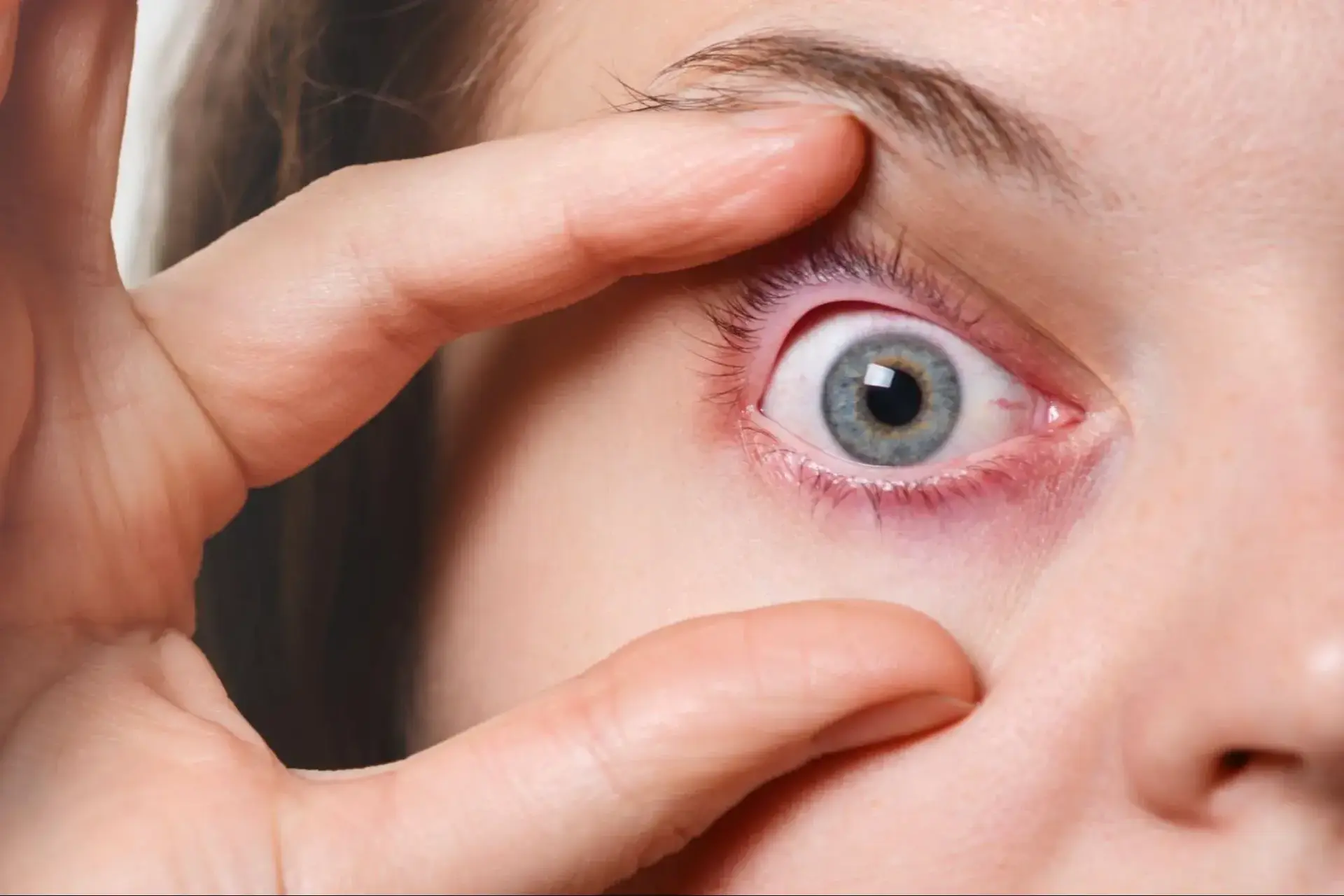
Modern lifestyles often combine stress with extended time on digital devices, which can further contribute to visual discomfort. While these symptoms can be bothersome, they are usually temporary and improve with rest and stress management. Although the term “stress rings in eyes” is often used, these visual symptoms are more commonly linked to strain and fatigue rather than true physical changes in the eye.
Other common myths about eye stress rings
There are several other misconceptions surrounding stress rings and eye appearance. One common belief is that rings in the iris reflect the condition of internal organs or overall health. Another is that stress can directly alter the structure of the iris in visible ways.
These ideas are often linked to alternative practices such as iris analysis, which suggests that specific markings in the eye correspond to health conditions throughout the body. However, these claims are not supported by scientific evidence.
In reality, most visible patterns in the iris are normal anatomical features. While the eyes are an important part of overall health, changes in iris patterns are not used in modern medicine to diagnose disease.
When to be concerned about changes in the eyes
Although most iris patterns are harmless, certain changes in the eyes should not be ignored. Patients should seek medical evaluation if they experience:
Sudden or significant vision loss
Persistent blurred vision
Eye pain or redness
New or unusual discoloration in the eye
Visual disturbances such as blind spots or flashes
These symptoms may indicate an underlying eye condition that requires prompt attention. If you are experiencing any of these symptoms, you should see your doctor.
When to see an eye doctor
An evaluation by an eye doctor is recommended if changes in vision or eye appearance are noticeable or worsening. Routine eye exams are also important for maintaining overall eye health, even in the absence of symptoms.
A comprehensive exam can help determine whether visible changes are normal variations or signs of a condition that needs treatment. Early detection allows for more effective management and helps protect long-term vision.
Ways to support eye health and reduce stress
Supporting eye health and managing stress go hand in hand. While stress does not directly cause visible changes like “stress rings,” it can affect how the eyes feel and function. Incorporating simple habits into everyday living can be helpful for reducing stress and supporting overall wellness over time.
Limit screen time
Taking regular breaks from screens is one of the most effective ways of reducing stress on the eyes. The 20-20-20 rule, looking at something 20 feet away for 20 seconds every 20 minutes, can be effective for minimizing eye strain.
Maintain proper nutrition
A balanced diet supports overall health, including eye health. Nutrients such as vitamin C help protect eye tissues, while addressing mineral deficiencies, especially calcium, supports proper nerve and muscle function. Good nutrition can be highly beneficial for maintaining long-term visual comfort.
Stay hydrated and support tear function
Proper hydration helps maintain healthy tear production, which keeps the eyes lubricated and comfortable. Dry eyes are more common during periods of stress, so drinking enough water throughout the day can benefit patients.
Get adequate sleep
Sleep allows the body and eyes to recover from daily strain. Poor sleep can contribute to tired eyes, blurred vision, and increased sensitivity to light. Ensuring consistent rest is one of the most effective ways to support eye health in everyday living.
Incorporate regular physical activity
Exercise helps reduce stress and support overall wellness. Regular movement can be especially beneficial for reducing tension in the body, which may indirectly improve eye comfort and visual function.
Adjust lifestyle habits over time
The most effective strategies often vary based on individual needs and lifestyle. Younger individuals may benefit from building healthy habits early, while others may need to make adjustments based on changing visual demands.
Over time, small changes can provide the most benefit in maintaining both eye health and overall well-being.

If you have questions about your eye health, contact us to book an appointment with Eduardo Besser, MD. Our offices are located in Culver City, in Los Angeles County.
Recent Posts

Contact Us
Related articles

The Eyes Have It: High Blood Pressure Eye Symptoms
Find out how high blood pressure impacts your eyes, what symptoms to watch for, and when to seek medical care to avoid vision loss.
-
Eye Health

Top 4 Eye Health FAQs
Learn about our top questions from patients about eye health, and what you can do to improve your conditions.
-
Eye Health

15 Best Foods For Eye Health: How Nutrition Affects Eyesight
Proper nutrition and healthy vision go hand and hand. Here are the 15 best foods for eye health
-
Eye Health